Which is better CNC or PLC?
For individual machine automation, CNC is generally preferred. Where PLC is used, it does better with specialized machine tools that regularly perform the same task.
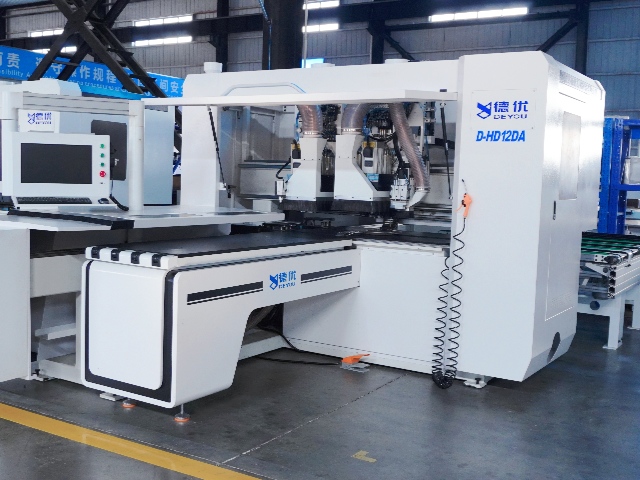
If you’re sourcing industrial automation equipment for overseas markets, this question comes up in almost every initial client meeting. The short answer? Neither is “better”—they are built for completely different jobs. Choosing the wrong one means wasted budget, delayed production, and unhappy end-users. Here is the no-nonsense comparison you need for your next export quote.
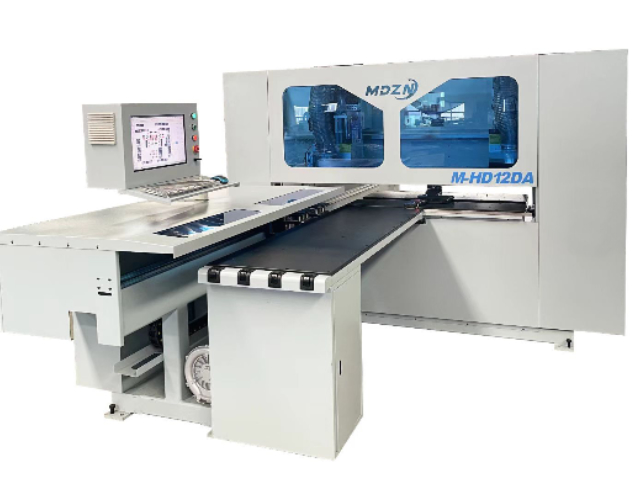
CNC = Precision Motion Control
CNC (Computer Numerical Control) is the brain behind cutting, milling, drilling, and grinding. It reads G-code and drives multi-axis servo motors with micron-level accuracy. Think machine tools: lathes, routers, laser cutters, and EDM machines. If your client makes metal parts or molds, CNC is non-negotiable. It excels at complex geometries, high-speed interpolation, and constant tool compensation. But it is expensive, proprietary, and overkill for simple repetitive tasks.
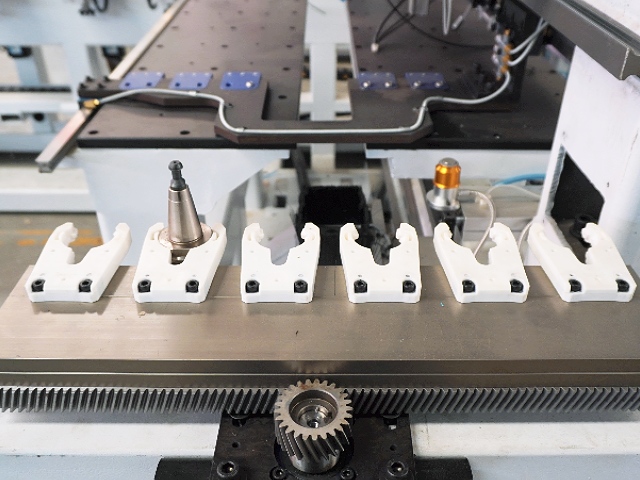
PLC = Logic & Sequence Master
PLC (Programmable Logic Controller) is the workhorse of factory floors. It handles discrete inputs (sensors, switches) and outputs (valves, relays, motors) using ladder logic or structured text. Think production lines: conveyors, packaging machines, bottling plants, and material handling. PLCs are rugged, scan in milliseconds, and integrate seamlessly with HMIs, SCADA, and IoT gateways. They are cost-effective, modular, and easier to troubleshoot—but they cannot perform complex contouring or simultaneous multi-axis cam profiling.
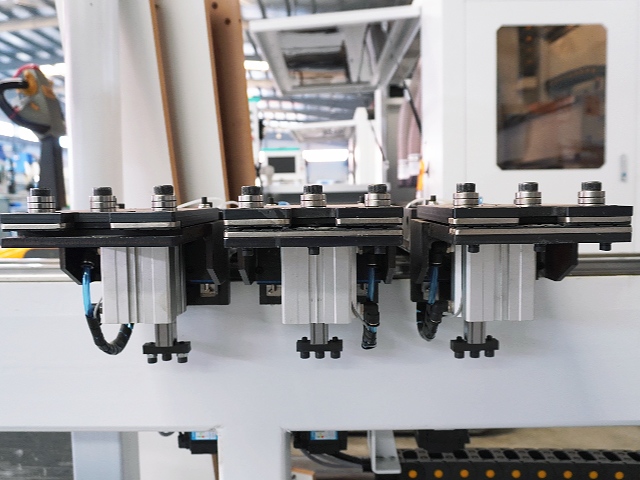
What do overseas buyers actually care about?
For a new metalworking factory → CNC is their core investment.
For upgrading an existing assembly line → PLC is the faster ROI.
For a multi-process system (e.g., cutting + conveying) → they need both communicating via Ethernet/IP or Profinet.
Our sourcing advice to international clients:
Never replace a CNC with a PLC—you lose accuracy.
Never spec a CNC for a pick-and-place station—you burn money.
Always ask for the cycle time, tolerance, and number of I/O points before deciding.
At the end of the day, smart buyers don’t ask “which is better.” They ask: “Which solution gives me the lowest cost per good part?” That is the question we help answer with tailored OEM kits, fast shipping, and remote commissioning support.
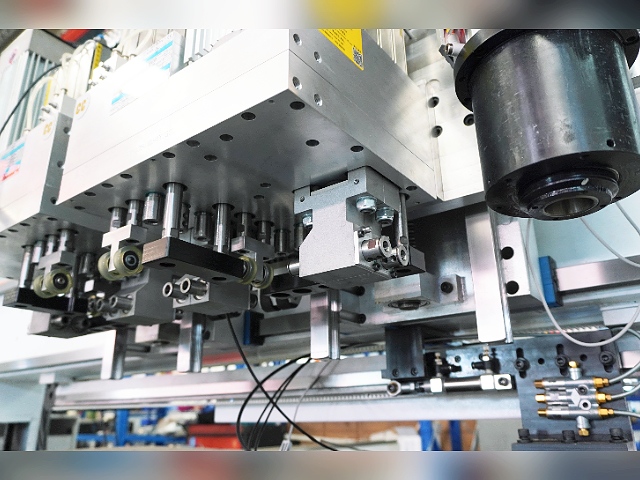
🔗 As a professional manufacturer of CNC woodworking equipment, we offer complete solutions ranging from entry-level models to automated production lines.
 WhatsApp:'+86 15358102610
📧 Email: zhouni@jsmdzn.com
🌐 Website:https://www.mdzncnc.com/