When a commercial popcorn machine is not popping properly, the problem usually comes down to kernel quality, moisture content, insufficient or uneven heating, incorrect ingredient ratios, or an operating procedure that does not match the machine. Common symptoms include too many unpopped kernels, small or irregular popcorn, slow popping, and inconsistent results between batches.
For cinemas, concession stands, snack shops, and popcorn manufacturers, these problems can increase ingredient waste and slow down production. Before replacing the machine, it is worth checking the kernels, heating system, batch size, and popping procedure. In many cases, a few targeted adjustments can improve popping performance.
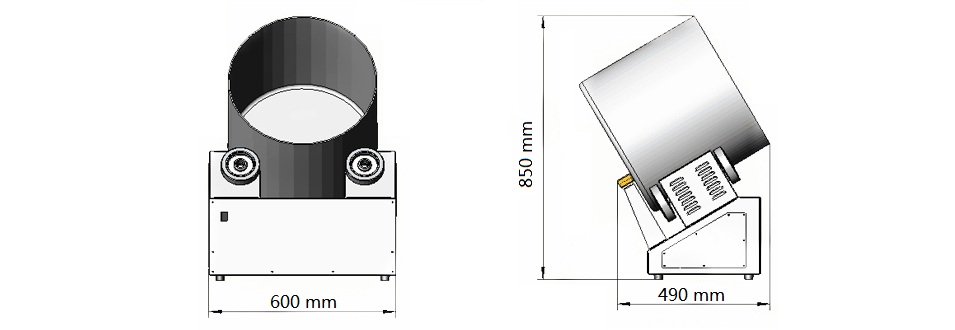
XFD provides commercial and industrial popcorn equipment for different production environments. Understanding the cause of poor popping helps operators decide whether they need to adjust their process, maintain existing equipment, or consider a different machine configuration.
Why Is My Commercial Popcorn Machine Not Popping Properly?
A commercial popcorn machine may fail to pop kernels properly when the kernels do not contain enough moisture, the kettle has not reached the required operating temperature, the heating system is inconsistent, or the ingredients are not measured correctly. Mechanical problems and unsuitable batch sizes can also affect the result.
Start by identifying the main symptom:
- Too many unpopped kernels: Check kernel freshness, moisture content, preheating, and the amount of oil used.
- Small or irregular popcorn: Review kernel quality, storage conditions, and heating consistency.
- Slow popping: Check the machine's preheating procedure, heating performance, and batch size.
- Different results between batches: Check whether staff use consistent ingredient measurements and operating procedures.
- Popcorn burns before all kernels pop: Investigate uneven heating, excessive temperature, or a faulty stirring mechanism.
The most useful troubleshooting approach is to change one variable at a time. This makes it easier to determine whether the problem comes from the ingredients, the operating process, or the equipment itself.
Check the Moisture Content and Quality of Popcorn Kernels
Popcorn kernels need sufficient internal moisture to expand during heating. As the kernel heats up, the moisture turns into steam and pressure builds inside the hard outer shell. When the shell ruptures, the starch expands and forms the familiar popcorn shape.
If kernels have lost too much moisture during storage, they may produce small popcorn or fail to pop. Old kernels are not necessarily unusable, but kernels stored in open containers or exposed to unsuitable temperature and humidity conditions may lose popping performance over time.
To improve kernel quality:
- Store kernels in clean, airtight containers in a suitable environment.
- Keep them away from excessive heat, direct sunlight, and moisture fluctuations.
- Check the supplier's recommended moisture specifications.
- Compare popping performance between different batches of kernels.
- Use consistent kernel grades when evaluating machine performance.
Kernel moisture is only one factor, so adding water directly to a batch without a controlled, supplier-approved conditioning procedure is not recommended. Excess moisture can create other processing problems.
Commercial buyers should also consider the intended product. The kernel variety and popping characteristics needed for traditional cinema popcorn may differ from those preferred for coated or specialty popcorn. When planning a supply chain, XFD's popcorn ingredients category is a relevant starting point for reviewing ingredient-related options.
Make Sure the Machine Is Properly Preheated
A kettle that has not reached its required operating condition may heat kernels too slowly or produce inconsistent popping. If operators add ingredients before the machine is ready, the batch may take longer to finish and leave more unpopped kernels.
Follow the manufacturer's startup procedure and allow the kettle to reach the specified operating condition before loading the next batch. Avoid relying on a universal temperature setting because different machines use different heating technologies, kettle designs, and control systems.
Preheating alone will not solve every problem. If the machine takes significantly longer than usual to heat up, check the power supply, heating controls, and operating indicators. Persistent heating problems should be inspected by a qualified technician.
For businesses comparing equipment for snack shops, food-service venues, or other commercial locations, XFD's commercial popcorn machines offer different configurations and heating options to consider according to the required output and operating environment.
Check the Oil Ratio and Ingredient Measurements
The amount of oil used during popping affects heat transfer, flavor, and the overall consistency of the batch. Too little oil may affect the cooking process in kettle machines that rely on oil, while excessive oil can leave the finished popcorn greasy and create additional cleaning requirements.
There is no single ingredient ratio that works for every commercial popcorn machine. The appropriate quantity depends on the kettle capacity, kernel volume, oil type, and recipe recommended for the specific model.
Operators should measure ingredients rather than estimate them by eye. If one batch pops well and the next does not, compare the kernel quantity, oil quantity, and any seasoning added before or during popping.
Also consider the type of oil. Use a suitable commercial popping oil that meets the machine and recipe requirements. Avoid substituting butter or another ingredient without checking whether it is suitable for the kettle's operating temperature.
For equipment buyers, XFD's cinema popcorn machines are worth reviewing when production needs involve repeated batches and consistent output during busy periods.
Avoid Overloading the Kettle
Adding more kernels than the kettle is designed to handle can prevent the ingredients from heating and moving as intended. An overloaded kettle may produce unevenly popped corn, leave more unpopped kernels, or extend the cooking cycle.
Every machine has a recommended batch capacity. Operators should use the specified amount rather than filling the kettle to its physical limit. The maximum amount that fits inside the kettle is not necessarily the correct amount for consistent popping.
For busy venues, increasing the batch size is not always the best way to improve output. A better approach may be to use the correct batch size, standardize the operating cycle, and select equipment that matches peak demand.
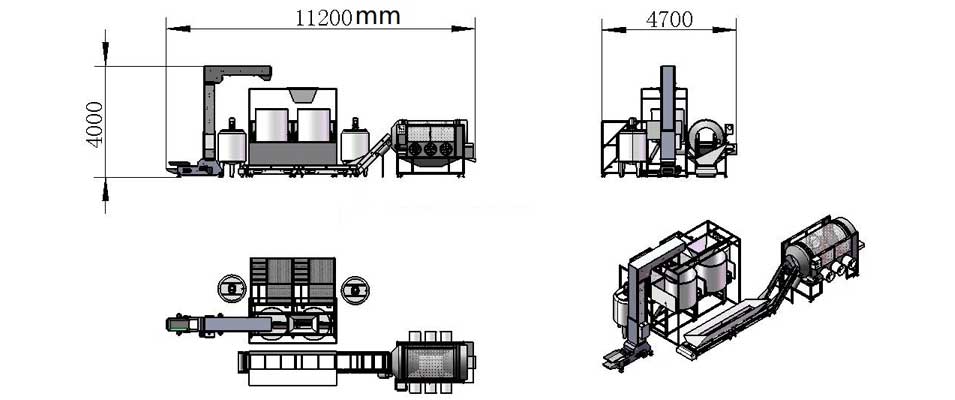
When evaluating equipment, compare the kettle capacity, expected batches per hour, heating recovery time, and available operating space. XFD's industrial popcorn machines and production lines are relevant for businesses that need to scale beyond the output of a single commercial kettle.
Inspect the Heating System and Stirring Mechanism
If the machine is supplied with the correct ingredients and operated according to the manufacturer's instructions but still produces inconsistent results, the heating system or stirring mechanism may need attention.
In kettle-style machines, the heating system must provide suitable heat while the stirring mechanism helps move kernels and distribute the ingredients. A damaged agitator, slipping drive belt, failed motor, or malfunctioning temperature controller can affect popping performance.
Look for warning signs such as unusually long heating times, irregular stirring, unexpected temperature changes, abnormal noises, or repeated differences between otherwise identical batches.
Do not attempt to repair electrical components or moving parts while the machine is running. Disconnect the power supply and follow the manufacturer's maintenance procedures. If the problem involves the heating controller, wiring, or drive system, arrange a professional inspection.
Some commercial operations may benefit from comparing alternative heating technologies. Electromagnetic heating is available in certain XFD models and production systems, but performance depends on the complete machine design, operating conditions, and maintenance rather than the heating method alone.
Clean the Kettle and Remove Ingredient Residue
Oil, salt, sugar, and small pieces of burnt popcorn can accumulate on the kettle surface during repeated production. Over time, these residues may interfere with consistent heating and introduce unwanted flavors into new batches.
Cleaning is especially important when switching between recipes or using ingredients that can leave sticky deposits. A machine that appears to have a popping problem may actually need routine maintenance rather than a new temperature setting.
To keep the equipment in good condition:
- Remove loose kernels and debris according to the cleaning instructions.
- Clean the kettle and surrounding areas at the recommended intervals.
- Use only approved cleaning products and procedures.
- Check for damaged surfaces or residue that cannot be removed safely.
- Keep electrical components protected from water and cleaning chemicals.
Follow the instructions for the specific model because kettle designs and cleaning requirements vary. If poor popping continues after cleaning, investigate the ingredients and machine operation rather than repeatedly cleaning without identifying the cause.
Choose the Right Machine for Your Production Needs
Sometimes a machine is not necessarily faulty; it may simply be unsuitable for the volume or type of popcorn being produced. A small concession machine, a cinema kettle popper, and an industrial production line serve different operating requirements.
For example, a cinema may need reliable batch production during short intervals between customer orders. A popcorn factory may need continuous or automated processing, consistent output, and additional equipment for coating, conveying, or packaging.
When comparing machines, consider:
- Required output: Estimate demand during the busiest operating period, not just average daily sales.
- Kettle capacity: Confirm the recommended batch size and expected production cycle.
- Heating technology: Compare the machine's heating method, control system, and recovery time.
- Ingredient compatibility: Confirm suitability for the kernel type and recipes you plan to use.
- Maintenance: Review cleaning access, spare parts, and after-sales support.
- Expansion: Consider whether additional kettles or a production line may be needed later.
XFD supplies popcorn equipment for commercial venues and larger food-processing operations. Sharing your expected output, kernel type, product range, available power supply, and automation requirements will help the supplier assess a suitable configuration.
Troubleshooting Common Popcorn Machine Problems
The following table summarizes common symptoms, possible causes, and practical next steps. It can help operators identify what to check before requesting equipment service.
| Symptom | Possible cause | What to check |
|---|---|---|
| Too many unpopped kernels | Low kernel moisture, insufficient preheating, or incorrect ingredient ratio | Kernel storage, startup procedure, and measured ingredients |
| Small or irregular popcorn | Kernel quality or inconsistent heating | Kernel condition, heating performance, and batch consistency |
| Popping takes too long | Incomplete preheating, low heat output, or excessive batch size | Heating cycle, batch quantity, and power supply |
| One batch works but the next does not | Inconsistent measurements or operating procedures | Kernel volume, oil quantity, and operator routine |
| Popcorn burns before all kernels pop | Overheating, uneven stirring, or residue buildup | Temperature control, agitator operation, and kettle cleanliness |
| Machine heats slowly or inconsistently | Possible heating-system or electrical fault | Stop if unsafe and arrange a qualified inspection |
Frequently Asked Questions About Commercial Popcorn Machines
Why is my commercial popcorn machine leaving so many unpopped kernels?
Common causes include kernels with insufficient moisture, incomplete preheating, incorrect oil measurements, an overloaded kettle, or inconsistent heating. Check each factor separately and follow the machine manufacturer's instructions.
Why is my commercial popcorn machine popping slowly?
Slow popping may result from insufficient preheating, reduced heating performance, excessive batch size, or kernels that do not meet the required quality specifications. If the machine takes longer than usual despite correct operation, arrange an inspection.
Does popcorn kernel moisture affect popping performance?
Yes. Kernels need an appropriate internal moisture level to build steam pressure and expand. Kernels that have dried out during storage may produce smaller popcorn or leave more unpopped kernels.
Can too much oil prevent popcorn from popping properly?
An unsuitable oil quantity can affect cooking consistency and finished-product quality. Follow the recommended recipe and batch measurements for the specific machine rather than assuming that adding more oil will improve popping.
Why does my popcorn machine produce different results in each batch?
Inconsistent results can come from differences in kernel quality, ingredient measurements, preheating, batch size, or operating technique. A faulty temperature controller or stirring mechanism may also be responsible.
Can an industrial popcorn machine improve production consistency?
An appropriately selected industrial machine or production line can help standardize processing and increase output. Results still depend on kernel quality, equipment configuration, maintenance, and the operating procedures used.
When should I replace my commercial popcorn machine?
Consider replacement when the machine cannot meet your production requirements reliably, repeated faults continue after professional servicing, or repair costs are no longer practical. Confirm the cause of poor popping before deciding that replacement is necessary.
If your business is experiencing repeated popping problems or planning to increase production, explore XFD's popcorn equipment options and discuss your specific requirements with the team.