Popcorn usually burns in a commercial popcorn machine because the kettle becomes too hot, the stirring system fails to move kernels evenly, the batch stays in the kettle too long, or oil and seasoning residues accumulate on the heated surface. In some cases, the problem comes from unsuitable ingredients or incorrect operating procedures rather than the machine itself.
For cinemas, concession stands, snack shops, and popcorn manufacturers, burnt popcorn means wasted ingredients, inconsistent flavor, extra cleaning, and potentially dissatisfied customers. The most effective solution is to identify where the burning occurs and correct the underlying cause instead of simply reducing the heat.
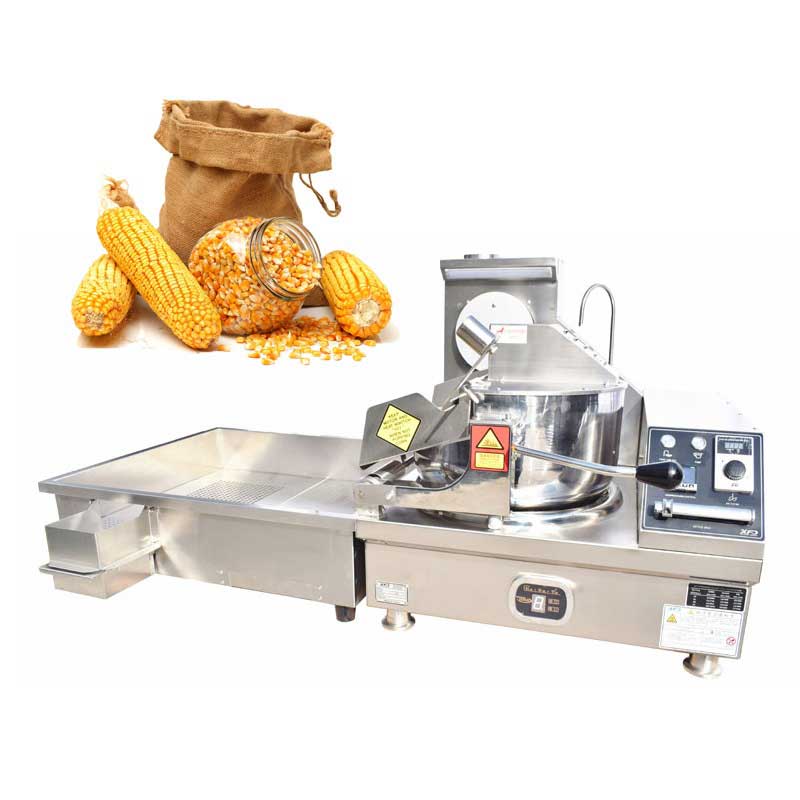
Understanding how a commercial popcorn machine heats, stirs, and releases popcorn can help operators prevent repeated burning. XFD offers popcorn equipment for different commercial and industrial applications, including traditional kettle poppers and electromagnetic heating systems.
Why Does Popcorn Burn in a Commercial Popcorn Machine?
The most common reason popcorn burns is that heat continues to reach the kernels or popped corn after the ideal popping period has passed. When popping slows down, the remaining kernels and already-popped pieces can stay in contact with the hot kettle for too long.
Several operating conditions can contribute to this problem:
- Excessive heat: The kettle temperature is too high for the ingredients or operating conditions.
- Insufficient stirring: Kernels remain against a hot surface instead of moving throughout the kettle.
- Delayed unloading: Operators wait too long after the popping rate begins to slow.
- Oil or sugar residue: Old ingredients become dark and carbonized during repeated heating.
- Unsuitable ingredients: Oils with inadequate heat stability or ingredients containing moisture and milk solids may smoke or burn.
- Equipment problems: A faulty thermostat, damaged heating system, or malfunctioning agitator can make temperature and cooking performance inconsistent.
The first step in troubleshooting is to determine whether the burning occurs during popping, after the popcorn is ready, or only when certain ingredients are used. These differences help narrow down the cause.
Excessive Heat Can Burn Popcorn Before the Batch Is Ready
Commercial popcorn machines need sufficient heat to turn moisture inside each kernel into steam and produce expansion. However, more heat does not automatically mean better popping performance.
If the kettle heats too aggressively, the oil and the surface of the kernels may overheat before the batch finishes popping. This can produce dark spots, burnt flavors, smoke, and an uneven mixture of fully popped and unpopped kernels.
Operators should follow the temperature and operating procedures specified for their particular machine. Avoid applying a universal temperature setting to every model because heating methods, kettle designs, batch sizes, and ingredients differ.
If the kettle appears to overheat despite correct operation, check the temperature controller and heating system. A persistent problem may require inspection by a qualified technician.
For businesses reviewing their equipment options, XFD's commercial popcorn machine range provides a starting point for comparing equipment configurations and operating requirements.
Poor Stirring Can Create Burnt Spots in the Kettle
The stirring system helps distribute kernels and oil throughout the kettle during cooking. When the agitator moves correctly, ingredients are less likely to remain in one place against the heated surface.
If the stirring blade stops rotating, moves irregularly, or cannot handle the batch properly, kernels may accumulate at the bottom of the kettle. Localized overheating can then cause scorching even when the overall temperature setting seems reasonable.
Check whether the agitator starts correctly, rotates consistently, and operates without unusual noise. Also make sure the batch size follows the manufacturer's recommendations. Overloading the kettle can interfere with ingredient movement and reduce cooking consistency.
Never reach into a hot kettle or attempt to adjust moving parts while the machine is operating. Switch off the equipment, isolate the power supply, and follow the manufacturer's safety procedures before inspecting the mechanism.
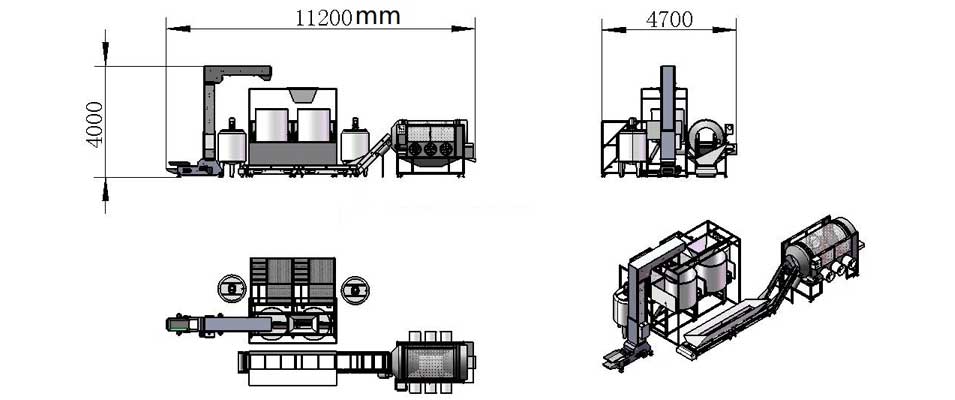
For larger production operations, XFD's industrial popcorn cooker and coater uses an adjustable stirring system and digital temperature control. These features are particularly relevant when evaluating equipment for recipes that require controlled heating and mixing.
Leaving Popcorn in the Kettle Too Long Causes Scorching
Another common cause of burnt popcorn is unloading the kettle too late. Once most kernels have popped, the remaining popcorn continues to receive heat even though the batch is nearly finished.
Operators should pay attention to the popping sound rather than relying only on a fixed cooking time. When the intervals between pops become noticeably longer, follow the machine's recommended unloading procedure.
Leaving finished popcorn in the hot kettle can darken the product, create a bitter aftertaste, and increase the amount of residue left behind. During busy periods, a clear operating routine helps staff unload each batch consistently without rushing or leaving the machine unattended.
For cinemas and other high-volume venues, selecting an appropriate cinema popcorn machine can help match kettle capacity and production cycles to customer demand. Operators should still follow the instructions for the specific model to avoid overcooking.
Old Oil and Carbonized Residue Can Make Popcorn Taste Burnt
Sometimes the popcorn burns in flavor even when the current batch has not been cooked for too long. In these cases, accumulated oil, seasoning, and carbonized food residue may be the problem.
Repeated heating can cause leftover ingredients to darken and stick to the kettle surface. During the next batch, these deposits may release burnt odors and flavors or interfere with consistent heat transfer.
To reduce this risk:
- Remove leftover kernels and food debris according to the machine's cleaning instructions.
- Clean the kettle at the frequency recommended for the operating volume and ingredients used.
- Use suitable popping oil and follow the recommended ingredient ratios.
- Inspect the kettle for persistent black deposits, damaged surfaces, or unusual residue.
- Keep electrical components dry and use only approved cleaning methods.
Do not scrape the kettle aggressively or immerse an electrical kettle assembly in water unless the manufacturer specifically permits the procedure. If carbon deposits cannot be removed using the approved cleaning method, arrange a suitable maintenance inspection.
For a detailed operating reference, see XFD's guide to commercial popcorn machine care and cleaning.
The Wrong Oil or Seasoning Can Cause Smoke and Burning
Not all cooking oils and flavoring ingredients behave the same way at high temperatures. An oil that is unsuitable for the machine's operating conditions may smoke excessively or develop an unpleasant flavor.
Butter also requires particular care. Real butter contains water and milk solids that can burn under conditions commonly used for popcorn popping. For this reason, operators should use an appropriate commercial popping oil and add butter-style toppings using a suitable method outside the popping kettle when necessary.
Sugar and other sweet ingredients can also scorch when they remain in direct contact with a hot surface for too long. Recipes containing sugar may need different heating and mixing conditions from traditional salted popcorn.
Always follow the recipe and equipment manufacturer's guidance for oil type, ingredient quantity, and cooking procedure. If burning occurs only with a particular recipe, compare its ingredients and preparation method with a recipe that runs successfully.
Can Electromagnetic Heating Help Reduce Burnt Popcorn?
Electromagnetic heating is worth considering when evaluating a commercial popcorn machine that needs consistent heating performance. Depending on the design, this technology can provide responsive heat control and help distribute heat more evenly through the kettle.
However, electromagnetic heating does not eliminate every cause of burnt popcorn. Excessive operating temperatures, a faulty stirring mechanism, unsuitable ingredients, delayed unloading, and poor cleaning can still lead to scorching.
The overall result depends on the complete equipment design, temperature control, batch size, maintenance, and operator procedures. Buyers should compare these factors rather than selecting a machine based on heating technology alone.
Businesses looking for higher-throughput equipment can review XFD's industrial popcorn machines to explore production options for larger operations.
How to Troubleshoot a Commercial Popcorn Machine That Burns Popcorn
A practical troubleshooting process starts with the symptoms. Check the following conditions before changing several settings at once.
| Observed problem | Possible cause | Recommended action |
|---|---|---|
| Black or dark spots on popcorn | Excessive heat or localized scorching | Check temperature settings and stirring performance. |
| Burnt flavor across the whole batch | Overcooking, degraded oil, or residue | Review unloading time, oil condition, and kettle cleaning. |
| Smoke before popping is complete | Overheating or unsuitable ingredients | Stop if unsafe, then check the oil and heating system. |
| One batch burns while another cooks normally | Inconsistent batch size, ingredients, or operating procedure | Standardize ingredient measurements and operating steps. |
| Repeated burning despite correct operation | Possible thermostat, heating, or mechanical fault | Arrange inspection by a qualified technician. |
If the machine produces heavy smoke, shows signs of electrical damage, or continues overheating, stop using it and follow the manufacturer's safety procedures. Do not continue production simply to test whether the next batch improves.
Choosing the Right Commercial Popcorn Equipment
When burnt popcorn becomes a repeated problem, replacing the machine is not always the first answer. Operators should establish whether the cause is related to ingredients, cleaning, operating technique, or a component that needs repair.
If the equipment cannot maintain stable performance under the required production conditions, it may be time to compare alternative models. Important considerations include kettle capacity, heating technology, temperature control, stirring performance, cleaning access, electrical requirements, and the number of batches needed during peak hours.
For small shops and concession stands, a compact commercial popper may be sufficient. Cinemas with heavier demand may need a larger kettle or a higher-output configuration. Food manufacturers producing popcorn for wholesale or retail packaging should evaluate a complete production setup rather than focusing only on the popping machine.
XFD provides equipment for commercial and industrial popcorn production. Buyers can share their expected hourly output, popcorn type, recipe, operating schedule, and available power supply to help determine a suitable configuration.
Frequently Asked Questions About Burnt Popcorn
Why does popcorn burn in a commercial popcorn machine?
Popcorn usually burns because of excessive heat, insufficient stirring, delayed unloading, unsuitable oil, or residue buildup inside the kettle. A faulty thermostat or agitator can also cause repeated burning.
How can I stop popcorn from burning in a commercial kettle?
Follow the manufacturer's temperature and batch-size recommendations, ensure the stirring system works correctly, unload the batch when popping slows, use suitable popping oil, and clean the kettle regularly.
Why does my commercial popcorn machine produce smoke?
Smoke can result from overheated oil, burnt sugar or seasoning, carbonized residue, or a heating-system problem. Stop the machine if smoke is excessive or unexplained, and inspect it safely according to the manufacturer's instructions.
Can a faulty agitator cause popcorn to burn?
Yes. If the agitator does not move the ingredients properly, kernels may remain against the heated kettle surface and scorch. The machine should be switched off and inspected before further use.
Does electromagnetic heating prevent popcorn from burning?
Electromagnetic heating can offer responsive temperature control and more consistent heating in suitable equipment designs, but it cannot prevent burning caused by poor operation, unsuitable ingredients, residue, or delayed unloading.
How often should a commercial popcorn machine be cleaned?
Food residue should be removed according to the manufacturer's daily cleaning instructions, with deeper cleaning and maintenance performed as required by usage and ingredient buildup. Machines used frequently or with sugar-based recipes may need more attention.
When should a commercial popcorn machine be repaired or replaced?
If burning continues after operating procedures, ingredient quality, and cleaning have been checked, the machine may need professional inspection. Replacement may be appropriate when the equipment cannot reliably meet production needs or repair is no longer practical.
Preventing burnt popcorn starts with stable heating, proper stirring, suitable ingredients, timely unloading, and regular cleaning. If you are evaluating equipment for your business, explore XFD's popcorn production equipment range to compare solutions for your operating requirements.