How should popcorn be packaged for retail sale? The best retail popcorn packaging protects the product from moisture, limits breakage during transportation, and presents the brand clearly on the shelf. For most packaged popcorn products, the right solution depends on the popcorn flavor, expected shelf life, distribution conditions, and sales channel.
For packaged popcorn sold in retail stores, choose food-contact packaging with suitable moisture and oxygen barriers, a reliable seal, enough space to protect the popcorn, and clear product labeling. Lightweight bags may work well for everyday snack products, while resealable pouches and rigid containers can suit premium popcorn, gift products, and specialty flavors. Packaging should be tested with the actual popcorn recipe before commercial production.
For popcorn brands and manufacturers, packaging decisions should be made alongside production planning. XFD provides popcorn packaging products and packing equipment that businesses can evaluate when developing retail-ready popcorn products.
What Is the Best Packaging for Retail Popcorn?
There is no single packaging format that works best for every popcorn product. The right choice depends on how the popcorn will be sold, how long it needs to remain fresh, and how it will be transported and displayed.
Flexible bags are commonly used for everyday retail snacks because they are lightweight and allow brands to print product information and graphics across the package. Stand-up pouches can provide a premium shelf appearance and may include resealable closures. Paper cups and tubs are more suitable for ready-to-eat popcorn sold at cinemas, snack counters, events, and other venues where consumers eat shortly after purchase.
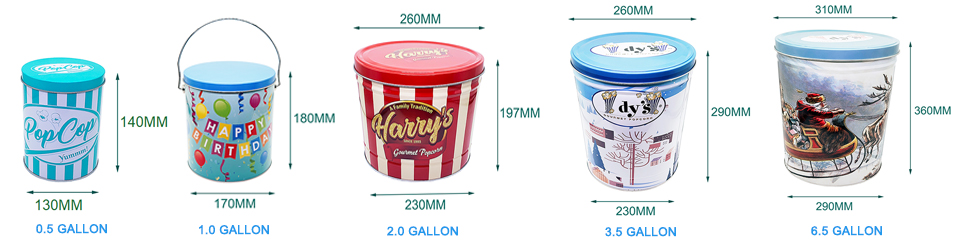
Rigid tins and gift containers can be appropriate for premium popcorn, seasonal promotions, and corporate gifts. They offer a distinctive presentation and can protect the contents from some forms of physical damage, although an appropriate inner food-contact liner or bag may still be necessary.
| Packaging Type | Best Use | Key Consideration |
|---|---|---|
| Flexible snack bags | Everyday retail popcorn | Barrier performance and seal integrity |
| Resealable stand-up pouches | Premium and multi-serving popcorn | Reseal quality and repeated opening |
| Paper cups and tubs | Cinemas, events, and immediate consumption | Convenience, rigidity, and food-contact suitability |
| Decorative tins | Gift packs and premium assortments | Presentation, closure, and inner packaging |
Before choosing a format, decide whether the product is intended for immediate consumption or distribution through retail stores and online channels. That distinction affects the required barrier properties, package strength, and sealing method.
How Can Packaging Keep Popcorn Fresh and Crispy?
Popcorn loses its crisp texture when it absorbs moisture from the surrounding environment. A package that does not provide sufficient moisture protection, or a seal that allows air and humidity to enter, can shorten the period during which the product maintains its intended texture.
For retail popcorn, start by selecting a packaging material with barrier properties suited to the recipe and expected storage conditions. The required protection can vary depending on whether the popcorn is plain, butter-flavored, caramel-coated, chocolate-coated, or made with other ingredients.
Oxygen exposure can also affect products containing oils and fats. Depending on the formulation, suitable oxygen barriers may help slow oxidation and the development of stale or rancid flavors. Light protection may also matter for certain ingredients and package formats.
Packaging alone cannot guarantee freshness. Popcorn should be cooled appropriately before packing, and the production process should control contamination, moisture exposure, and handling. Packing popcorn while it is still too hot can create condensation or interfere with sealing, depending on the product and process.
For brands considering different formats, XFD's popcorn packaging products provide a starting point for comparing retail presentation options, including containers and paper packaging.
Which Packaging Materials Are Suitable for Retail Popcorn?
The best material depends on the type of package and the protection the popcorn needs. Flexible packaging may use multilayer structures designed to balance moisture resistance, oxygen protection, print quality, and sealability. The exact material should be selected with the packaging supplier according to the product's requirements rather than by appearance alone.
Paper-based packaging can be useful for serving popcorn directly to customers. However, a paper cup or tub intended for immediate consumption is not automatically suitable for long-term retail storage. For extended shelf life, the package may require a separate barrier layer, liner, or sealed inner bag.
Rigid containers, such as tins, can support gift packaging and distinctive brand presentation. For these products, consider the lid fit, potential gaps, handling during distribution, and whether the popcorn needs a sealed inner package to protect freshness.
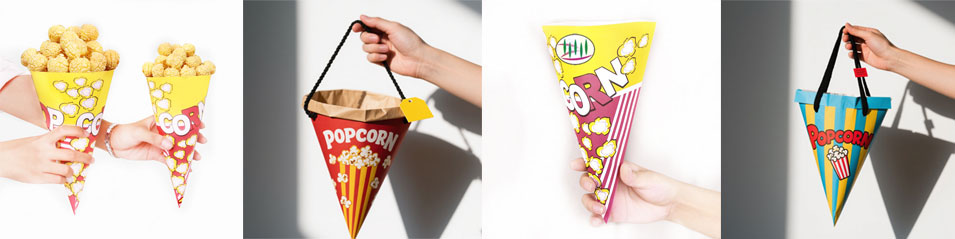
For ready-to-eat popcorn at cinemas, concession stands, and events, XFD offers customizable paper popcorn cups. This type of packaging is designed for serving and presentation, so businesses should assess it differently from a sealed retail pouch intended to preserve popcorn over a longer period.
How Should Retail Popcorn Bags Be Sealed?
A good seal helps prevent moisture from entering the package and reduces the risk of accidental opening during handling. Even a suitable packaging film can perform poorly if the seal is incomplete, contaminated with product particles, or made under inconsistent temperature and pressure conditions.
When evaluating a sealing process, check the following factors:
- Seal consistency: Confirm that seals are continuous and free from visible gaps, wrinkles, or channels.
- Film compatibility: Make sure the selected material can be sealed reliably using the intended machine and operating settings.
- Product cleanliness: Keep popcorn crumbs, oil, sugar, and seasoning away from the sealing area where they could affect seal quality.
- Package strength: Check that the finished pack can withstand normal filling, stacking, transport, and retail handling.
- Quality testing: Inspect sample packs and perform suitable seal-integrity tests before scaling up production.
Brands using preformed pouches should also test the closure and any resealable feature. A zipper can improve convenience after opening, but it does not replace the initial hermetic or heat seal required for the intended product and shelf life.
How Can Popcorn Packaging Improve Retail Shelf Appeal?
Packaging is often the first part of a popcorn product that customers notice. A clear product name, recognizable flavor, strong visual hierarchy, and readable information help consumers understand what they are buying without needing to examine every detail.
For retail brands, the design should identify the flavor and product type quickly. For example, caramel popcorn, cheese popcorn, and lightly salted popcorn should be visually distinguishable. Brand colors, illustrations, product imagery, and package shape can support recognition across different flavors and sizes.
Do not sacrifice readability for decoration. The net quantity, ingredient list, allergen information where applicable, responsible business details, and other required declarations should be clear and compliant with the regulations in the target market. Label requirements vary by country and product, so brands should confirm the rules for each sales destination.
Premium gift products may benefit from decorative tins or custom containers. XFD lists custom printed popcorn tins for branding and gift presentation. Buyers should confirm available dimensions, printing options, order quantities, and the inner packaging needed for their product.
How Do You Choose a Popcorn Packaging Machine?
For a small brand packing limited quantities, manual or semi-automatic equipment may be sufficient. As production volume increases, automatic weighing, filling, forming, and sealing can help reduce repetitive work and make pack sizes more consistent.
The right machine depends on the product format. A machine designed for flexible snack bags may not be appropriate for paper tubs or rigid tins. Before purchasing equipment, define the target pack weight, bag dimensions, film type, sealing method, required output, and available factory space.
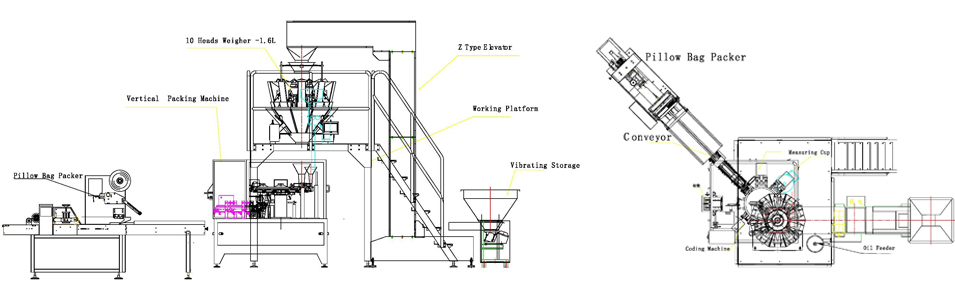
For factories producing microwave popcorn products, XFD's microwave popcorn packing machine is designed for packing three-in-one microwave popcorn products. Its listed configuration includes inner ingredient bags and outer pillow bags, so it should be evaluated for that specific packaging application rather than assumed to suit every ready-to-eat popcorn bag.
For larger operations, the packing stage should be balanced with popping, coating, cooling, and conveying capacity. If the upstream production line produces more popcorn than the packaging stage can handle, finished product may accumulate and create delays.
XFD also lists a fully automatic popcorn production and packing line for factory applications. Buyers should confirm the proposed configuration, expected output under their recipe, packaging format, and required packing speed before placing an order.
What Should Brands Check Before Launching Retail Popcorn?
Before launching a new popcorn product, test the packaging using the actual recipe, pack size, and intended distribution conditions. A package that looks attractive in a sample may still need adjustment after filling, sealing, stacking, or transport.
- Freshness: Check whether the popcorn maintains its expected crispness and flavor during the planned storage period.
- Seal integrity: Inspect seals after filling and after representative handling or transport tests.
- Breakage: Review the amount of broken popcorn after packing and distribution simulation.
- Package appearance: Check print quality, label readability, pack shape, and shelf presentation.
- Production efficiency: Confirm that the selected package and equipment can achieve the required output without excessive waste or downtime.
- Regulatory compliance: Verify food-contact suitability and labeling requirements for every target market.
The most suitable retail popcorn packaging balances product protection, brand presentation, operating efficiency, and cost. Testing the complete package with the finished popcorn is more reliable than selecting packaging based on material or appearance alone.
Frequently Asked Questions About Retail Popcorn Packaging
What is the best packaging for retail popcorn?
Flexible bags are a common option for everyday retail popcorn, while resealable pouches can suit premium or multi-serving products. Paper cups and tubs are better suited to immediate consumption, and decorative tins are often used for gift products. The best choice depends on shelf-life requirements, distribution, and brand positioning.
How do you keep packaged popcorn crispy?
Use packaging with suitable moisture-barrier properties, ensure the seals are reliable, and control cooling and handling before packing. Shelf-life testing with the actual recipe and package is needed to confirm performance.
Are paper bags suitable for long-term popcorn storage?
Not all paper bags provide enough protection against moisture and oxygen for extended storage. Long-term retail products may require a barrier layer, liner, or sealed inner bag. The correct construction depends on the recipe and intended shelf life.
Should retail popcorn packaging be resealable?
A resealable feature can be useful for multi-serving packs because it allows consumers to close the package after opening. It should complement, not replace, the initial seal and suitable barrier material needed to protect the unopened product.
What information should be printed on retail popcorn packaging?
Depending on the market, labels may need the product name, net quantity, ingredients, allergen declarations where applicable, nutrition information, responsible business details, lot identification, and date or storage information. Confirm the applicable local requirements before printing packaging.
How should a manufacturer choose a popcorn packaging machine?
Start with the package type, bag dimensions, target pack weight, packaging material, required output, and sealing method. Then confirm machine compatibility and test the equipment with the actual product before purchasing.
Can popcorn packaging be customized for a brand?
Yes. Depending on the format and supplier, brands may be able to customize package dimensions, printed graphics, colors, and container styles. Confirm minimum order quantities, material options, printing requirements, and lead times before production.
Does XFD offer popcorn packaging equipment and packaging products?
XFD's website lists popcorn packaging products, paper cups, customized popcorn tins, and packing equipment for specific popcorn applications. Businesses should contact XFD to confirm which options fit their product format and production requirements.
Retail popcorn packaging works best when it is planned as part of the complete production process. By matching the material, package format, seal, and packing equipment to the popcorn product, brands can improve shelf presentation while protecting quality during storage and distribution.